La Crosse Tree Pros

Land Clearing

La Crosse Tree Pros clears lots, brush, and underbrush for homeowners, builders, and landowners in La Crosse, Onalaska, Holmen, West Salem, and La Crescent. As a land clearing contractor, we walk the lot with you, flag the trees that stay, then cut, chip, and haul the rest. Coulee ground is steep, oaks sit on the ridges, and buckthorn fills the understory, so the plan has to cover all three. The estimate is free and written, with stumps as their own line.

Get a Free Estimate

Get a Free Estimate

Lot Clearing and Brush Removal

Clearing a lot is a list of what stays and what goes. We walk it with you and flag the keepers before anything is cut.

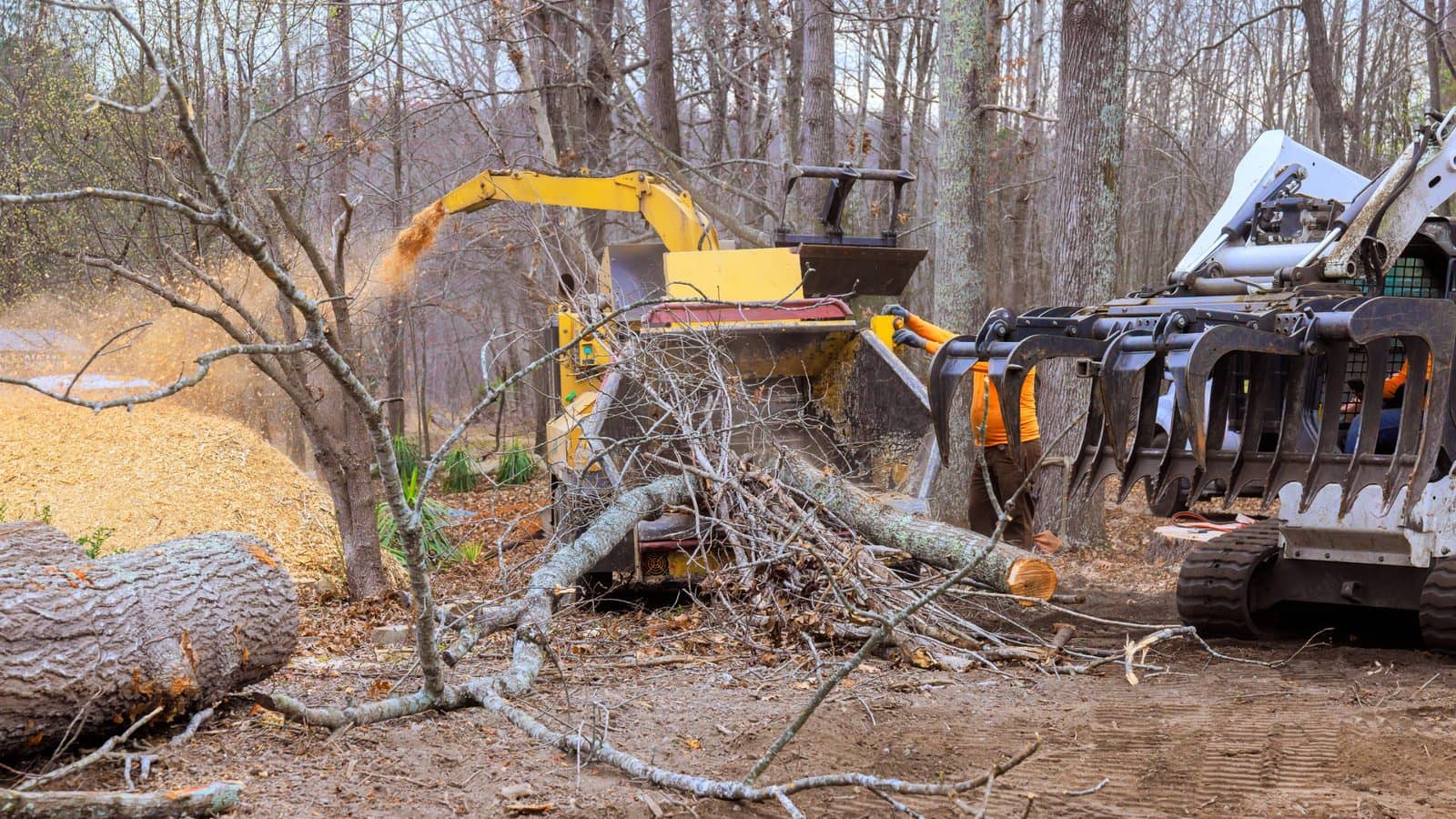
Wood chipper and a tracked skid steer with a grapple clearing felled trees and brush on a wooded lot
  • Lot Clearing for a New Home

    Builders need the house pad, the driveway, and the utility trench clear before excavation starts. We clear to the builder's staking, keep the trees you and the builder agree on, and leave the pad ready for the excavator.

    Oaks near the footprint need extra care. The DNR publishes guidance on protecting oaks when you build on a wooded lot, including keeping equipment and fill off their root zones.

  • Brush Clearing and Removal

    Overgrown fence lines, fields going back to brush, and thickets of volunteer boxelder and sumac get cut near ground level and fed through the chipper.

    Chips can stay on site as mulch or path material, or leave with us. Larger wood gets cut to length and hauled or stacked where you want it.

  • Selective Clearing Around Keeper Trees

    Selective clearing takes out the brush, the dead wood, and the poorly placed trees while the good ones stay. You tell us what matters: a big bur oak, a row of pines for privacy, a view down the valley.

    We flag those trees, drop everything else away from them, and keep equipment off their roots as much as the site allows.

  • Buckthorn and Invasive Brush

    Common and glossy buckthorn are restricted invasive plants under Wisconsin's NR 40 rule, and both crowd out the understory of woodlots. We cut buckthorn and chip or haul it.

    Cut buckthorn resprouts hard from the stump, so cutting is the first round of control. Herbicide stump treatment is a separate job for a DATCP-licensed applicator. The DNR buckthorn page covers the follow-up.

  • Underbrush Removal

    Underbrush removal clears the low layer under a stand of trees: saplings, brush, vines, and deadfall. It opens up a wooded lot you can walk through and see into, and the canopy trees stay.

    Brush gets chipped, and small deadfall gets cut up and hauled or piled where you want it.

  • Stumps and Roots After Clearing

    Clearing leaves stumps. Where grass or a garden goes in, those stumps get ground a few inches below grade. Where a foundation, a driveway, or a septic field goes, the builder may want the stumps pulled with the root ball.

    We sort that out on the walk and price stumps separately. See stump grinding for how grinding works.

Our 4-Step Land Clearing Process

  1. 1

    Flag the Keepers

    We walk the lot with you and tie flagging on every tree that stays. Anything unflagged is on the cut list, so the list is settled before work starts.

  2. 2

    Mark Lines and Boundaries

    Property corners, the builder's stakes, and Diggers Hotline marks go on the plan. If the lot line is unclear, a survey comes before the saw.

  3. 3

    Cut and Chip

    Trees come down toward open ground and away from keepers. Brush is chipped as we go, and logs are cut to length.

  4. 4

    Stumps and Cleanup

    Stumps get ground or left for the excavator, per the scope. Chips are spread or hauled, and the site is left ready for the next trade.

Land Clearing FAQs

Can you clear trees on a steep Coulee lot?

Check zoning before any cutting or grading. In unincorporated La Crosse County, Chapter 21 of the county code treats land at 30% slope or steeper as a restricted development area and keeps land disturbance at least 10 feet back from it. Cities and villages have their own rules, so call the zoning office for the lot. We plan the work around those limits and leave stumps in place on slopes that need their roots.

Should oaks on a wooded lot be cut in spring?

Avoid it if you can. The DNR says oak wilt risk is highest from April through July and recommends no oak cutting or pruning then. Clearing that involves oaks goes on the schedule for late fall or winter, and the DNR also publishes guidance on protecting the oaks that stay when a house goes in.

Does cut buckthorn grow back?

Yes. The Wisconsin DNR notes that cutting buckthorn alone leads to vigorous resprouting from the stump. Control means treating the cut stump with herbicide right after cutting, or pulling small plants roots and all, then watching for seedlings for years. Herbicide treatment for hire in Wisconsin requires a DATCP-licensed applicator, so we cut and clear, and you or a licensed applicator handles the stump treatment.

What is the difference between land clearing and forestry mulching?

Land clearing cuts trees and brush and takes them away: logs are hauled or stacked, brush is chipped, and stumps get ground or pulled. Forestry mulching grinds standing brush and small trees in place with one machine and leaves the mulch on the ground. Mulching is fast on brushy ground but leaves a thick mat, and it depends on having the right machine. We will tell you on the walk which approach fits your lot.

Does the whole lot need to be cleared before the builder starts?

Usually not. Most builders need the house footprint, the driveway, a work zone around the foundation, and the utility route cleared, and trees outside that area can stay. Ask your builder for a site plan with the clearing limits marked, and we will clear to that line and protect what sits outside it.

Ready for a free tree service estimate?

Tell us which tree and what you need done. We will walk the site and send a written scope.

Call NowGet Estimate