La Crosse Tree Pros

Stump Grinding

La Crosse Tree Pros grinds stumps for homes and businesses in La Crosse, Onalaska, Holmen, West Salem, and La Crescent. Our stump grinding service takes them a few inches below grade so you can cover the spot with topsoil and seed or sod. We add grinding to a takedown when you ask, and we come back for stumps that have sat in the yard for years. The estimate is free, and Diggers Hotline gets called before the cutter starts.

Get a Free Estimate

Get a Free Estimate

Stump Grinding and Stump Removal Options

Grinding takes the stump below grade and leaves the roots to break down in the soil. Pulling the whole root ball is a different, bigger job.

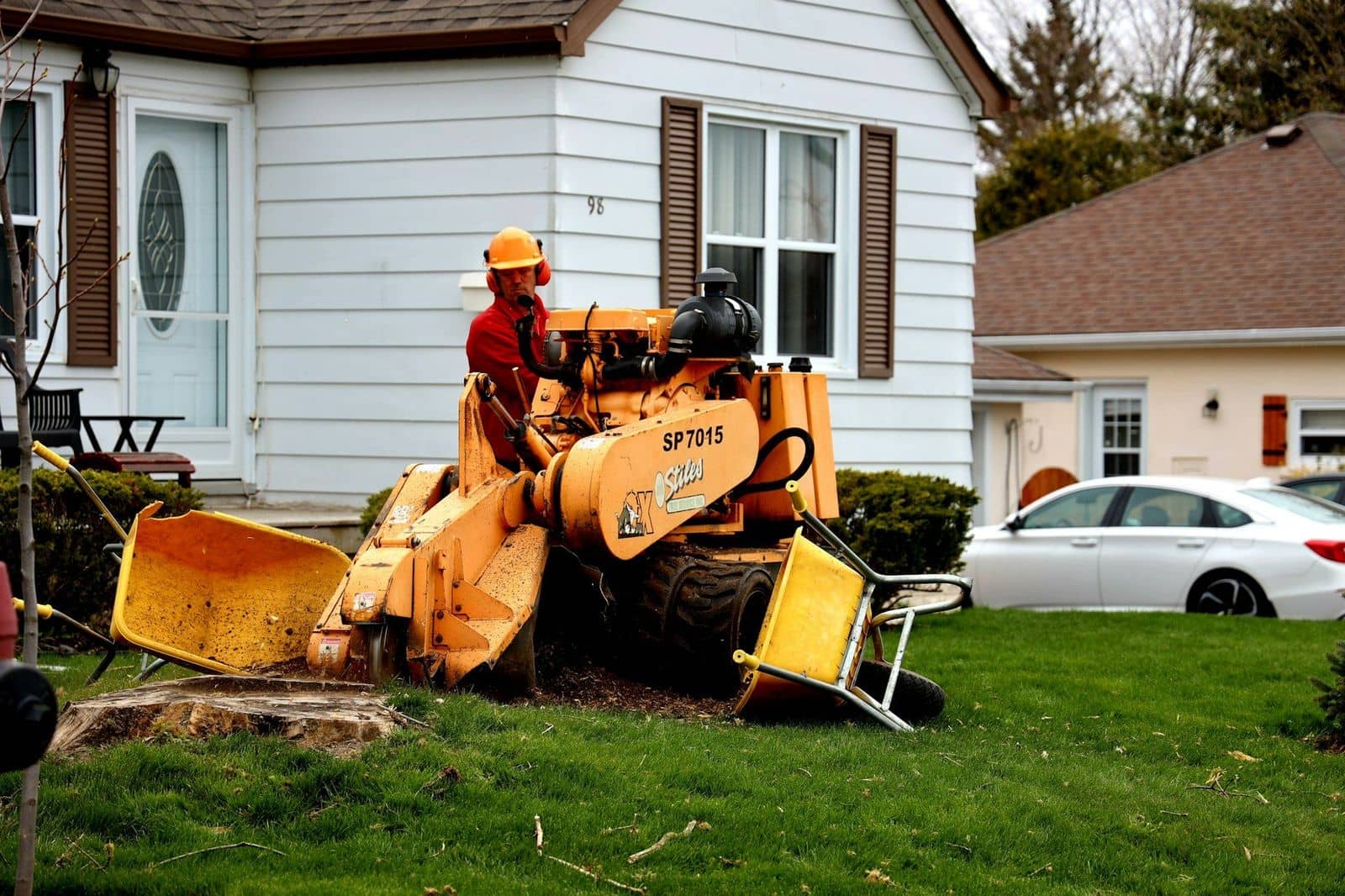
Operator grinding a stump in the front yard of a white house
  • Tree and Stump Removal in One Visit

    If the stump should go when the tree does, say so on the estimate and it becomes one job. The tree comes down, the stump gets ground, and the chips and wood leave together. That saves a second trip and a second locate request.

    See our tree removal page for how the takedown itself gets planned.

  • Large and Multiple Stumps

    Time and price track the diameter at ground level and the number of stumps. Big cottonwood and silver maple stumps often flare wide at the base with buttress roots, and those roots get ground along with the stump.

    A row of old stumps along a fence line, or a cleared lot full of them, can usually be done in one visit.

  • Tree Root Removal and Surface Roots

    Surface roots that heave a lawn or catch a mower blade can be ground down along with the stump, following each root out as far as the scope says.

    Roots under a driveway, a walk, or a foundation need more thought, since cutting them can undermine the slab. Deeper roots stay in the soil and break down over time.

  • Grinding Below Grade

    Standard grinding takes the stump a few inches below the surrounding soil, deep enough for topsoil and grass seed or sod.

    If a patio, a shed, or a new tree is going in that spot, tell us, and we will talk through grinding deeper and clearing more of the root zone. Stones buried in the root ball can stop the cutter, so we probe around the base before we start.

  • Chips, Backfill, and Replanting

    Grinding leaves a pile of chips mixed with soil. Keep them as fill, spread them as mulch in beds, or have us haul them off.

    For grass, rake the chips out, fill with topsoil, and seed or sod once the soil settles. Wood chips pull nitrogen from the soil while they break down, so a new planting does better in fresh topsoil.

  • Stump Grinding vs Stump Removal

    Grinding chews the stump down below grade and leaves the roots in place to rot. Stump removal pulls the whole root ball with an excavator and leaves a big hole to backfill and a torn-up yard around it.

    For most yards, grinding is the better value and far easier on the lawn. Pulling makes sense when a foundation, footing, or septic system is going in right where the stump sits, which usually happens during land clearing.

Our 4-Step Stump Grinding Process

  1. 1

    Measure the Stump

    We measure the diameter at ground level, check for surface roots and buried rock, and look at the route in through gates and around beds. That sets the estimate.

  2. 2

    Call Diggers Hotline

    Wisconsin law counts stump grinding as excavation, so a Diggers Hotline locate goes in at least 3 working days ahead. Utilities mark their lines before the grinder arrives.

  3. 3

    Grind Below Grade

    The cutter works back and forth across the stump and down to a few inches below the soil, then follows any surface roots listed on the scope.

  4. 4

    Rake Out the Chips

    Chips get raked into the hole or piled for haul-off, and the lawn around it is cleaned up. You decide whether the chips stay.

Stump Grinding FAQs

How deep does stump grinding go?

A few inches below grade, which leaves room for topsoil and seed or sod. If you need it deeper for a patio, shed, or new planting, tell us on the estimate so the time and price reflect it.

Why does Diggers Hotline have to mark my yard before a stump is ground?

Wisconsin's One-Call law, Wis. Stat. 182.0175, defines excavation to include moving, removing, or displacing material in the ground, and stump grinding does that. Anyone excavating has to notify Diggers Hotline at least 3 working days before starting. Utilities then mark their buried lines so the cutter stays clear. Private lines, like irrigation or a feed to a detached garage, usually are not marked, so point those out.

Can I plant a new tree where the old stump was?

You can, though a spot a few feet over is usually easier. The old root system is still in the ground under the grind, and chips mixed into the soil tie up nitrogen as they break down. If it has to be the same spot, dig out the chips, replace them with topsoil, and give the new tree a wide planting hole.

Will roots from a ground stump send up sprouts?

Some species will. Grinding removes the stump, but the lateral roots can stay alive for a while. K-State Research and Extension lists cottonwood, aspen, poplar, willow, and boxelder among the trees that commonly sucker from roots. Keep mowing or clipping sprouts as they appear. Herbicide treatment for hire requires a DATCP-licensed applicator, and we do not offer it.

Can the grinder get into a fenced backyard?

Usually. What matters is the width of your narrowest gate, the path from the driveway, and whether that route crosses soft lawn, steps, or a retaining wall. We check the route on the estimate and tell you if a gate panel needs to come off.

Ready for a free tree service estimate?

Tell us which tree and what you need done. We will walk the site and send a written scope.

Call NowGet Estimate